Plantations & Agroforestry Projects
Structured forestry and agroforestry implementation programmes
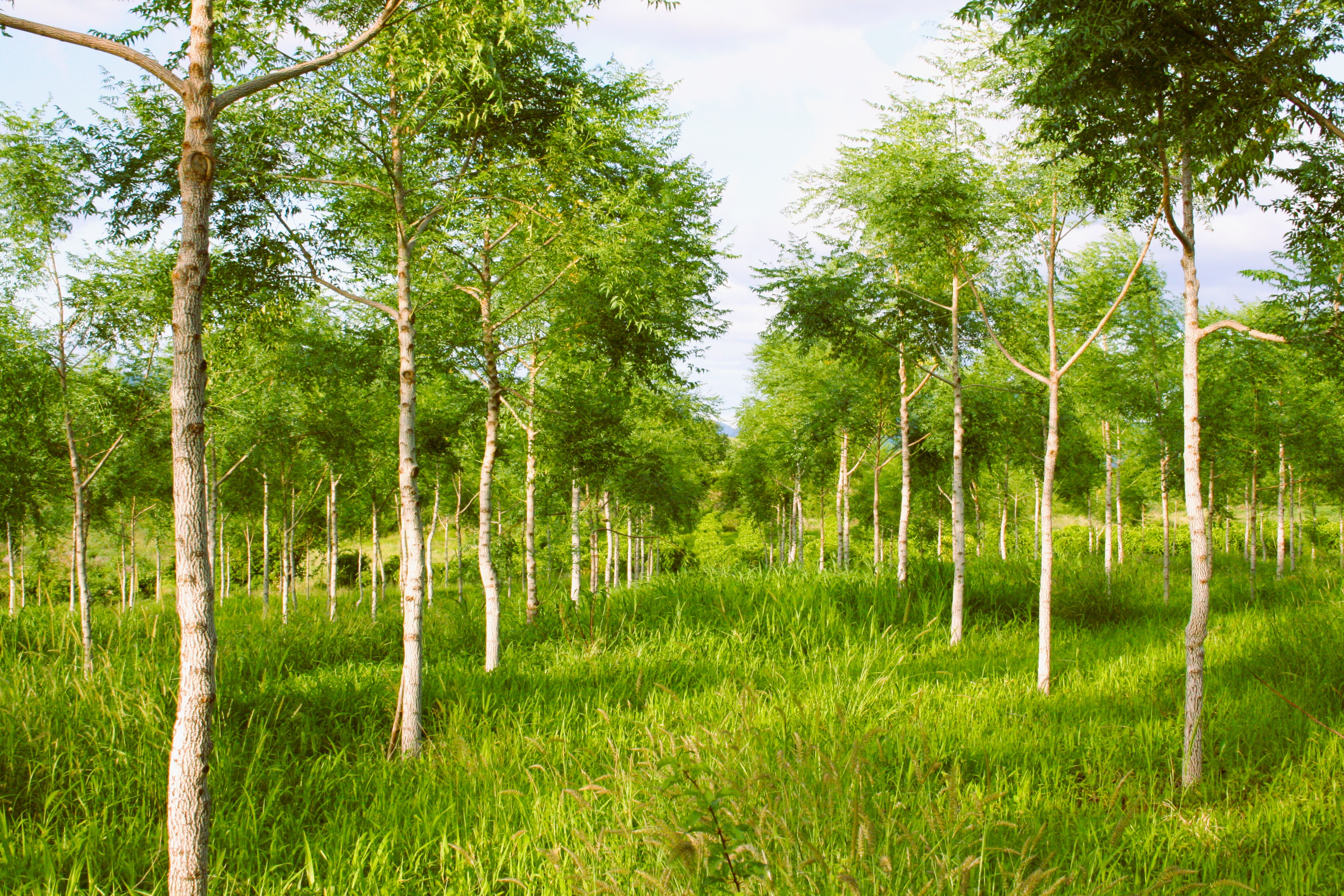
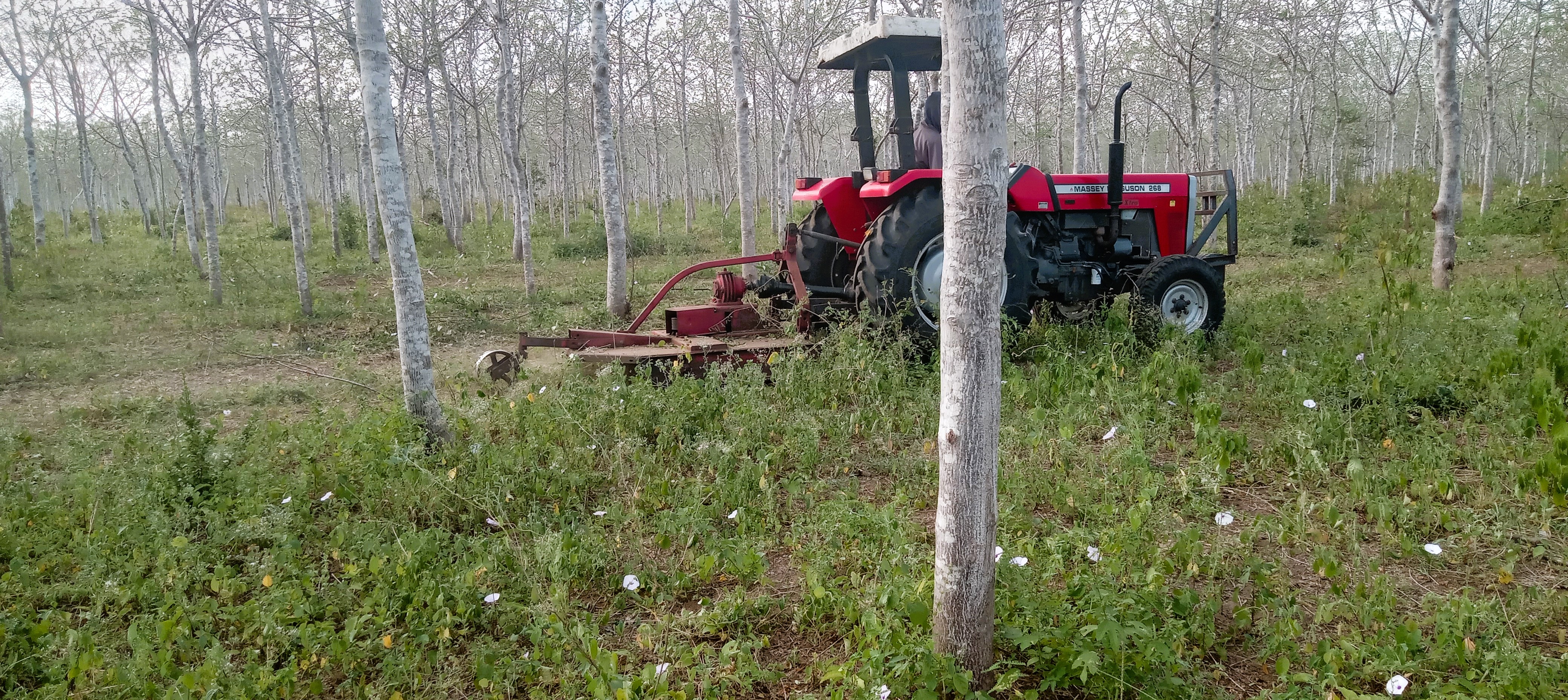
Kiambere Plantation
Commercial dryland plantation under structured forestry management
Overview
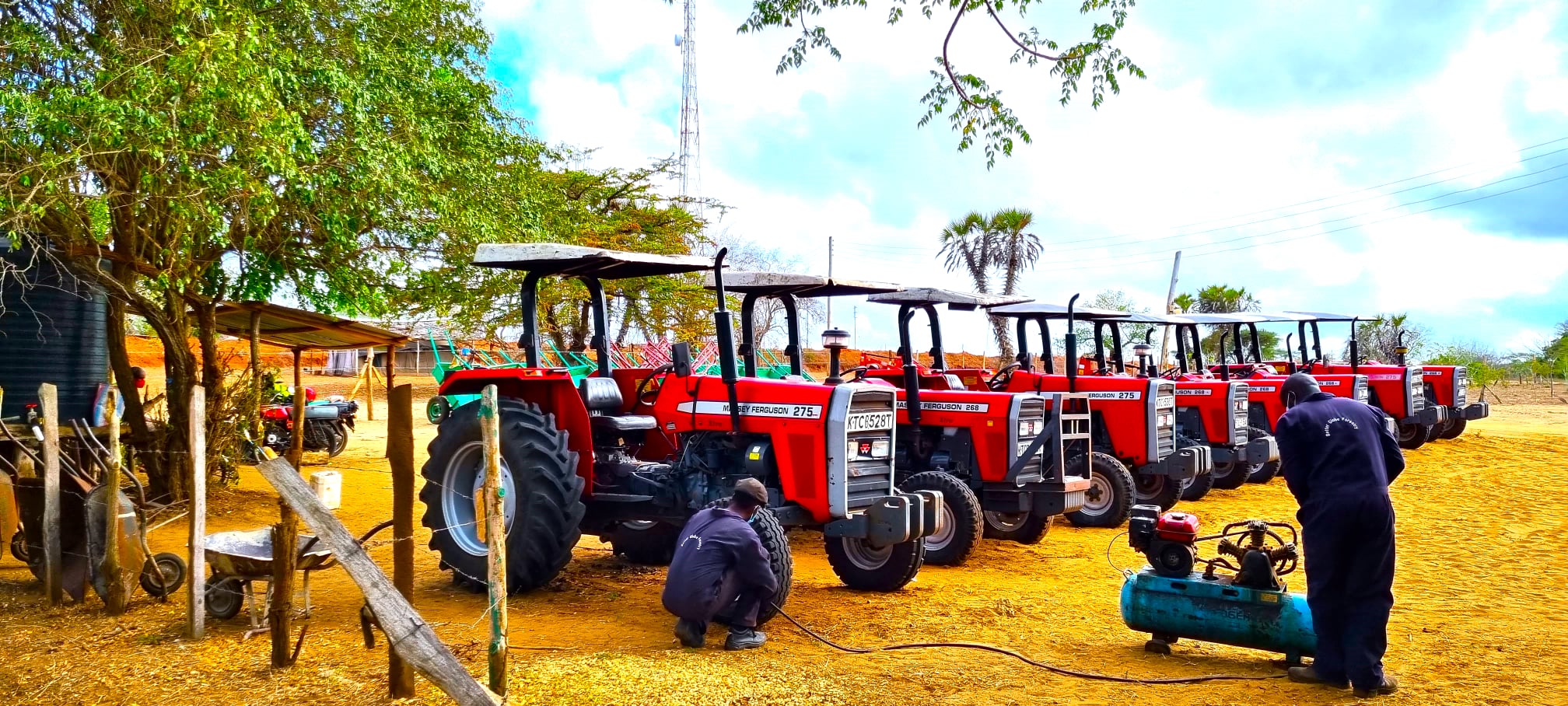
The Kiambere Plantation is a core commercial forestry site located in Eastern Kenya, developed in a semi-arid environment. The project focuses on establishing and managing tree plantations adapted to dryland conditions, with an emphasis on long-term timber production and sustainable resource development.
Role of Better Globe Forestry
Better Globe Forestry acts as the implementation and management platform, responsible for the establishment, maintenance, protection, and ongoing operational supervision of the plantation.
Key Characteristics
- Dryland-adapted species selection
- Structured plantation design and spacing
- Long-term timber production focus
- Continuous maintenance and protection systems
- Monitoring and inventory development
Structure & Partnerships
The plantation operates within a structured framework where ownership and funding may be defined at project level, while Better Globe Forestry ensures operational execution.
Status & Evolution
The project continues to evolve, with ongoing optimisation of silvicultural practices, monitoring systems, and long-term planning.
Kiambere Agroforestry Project
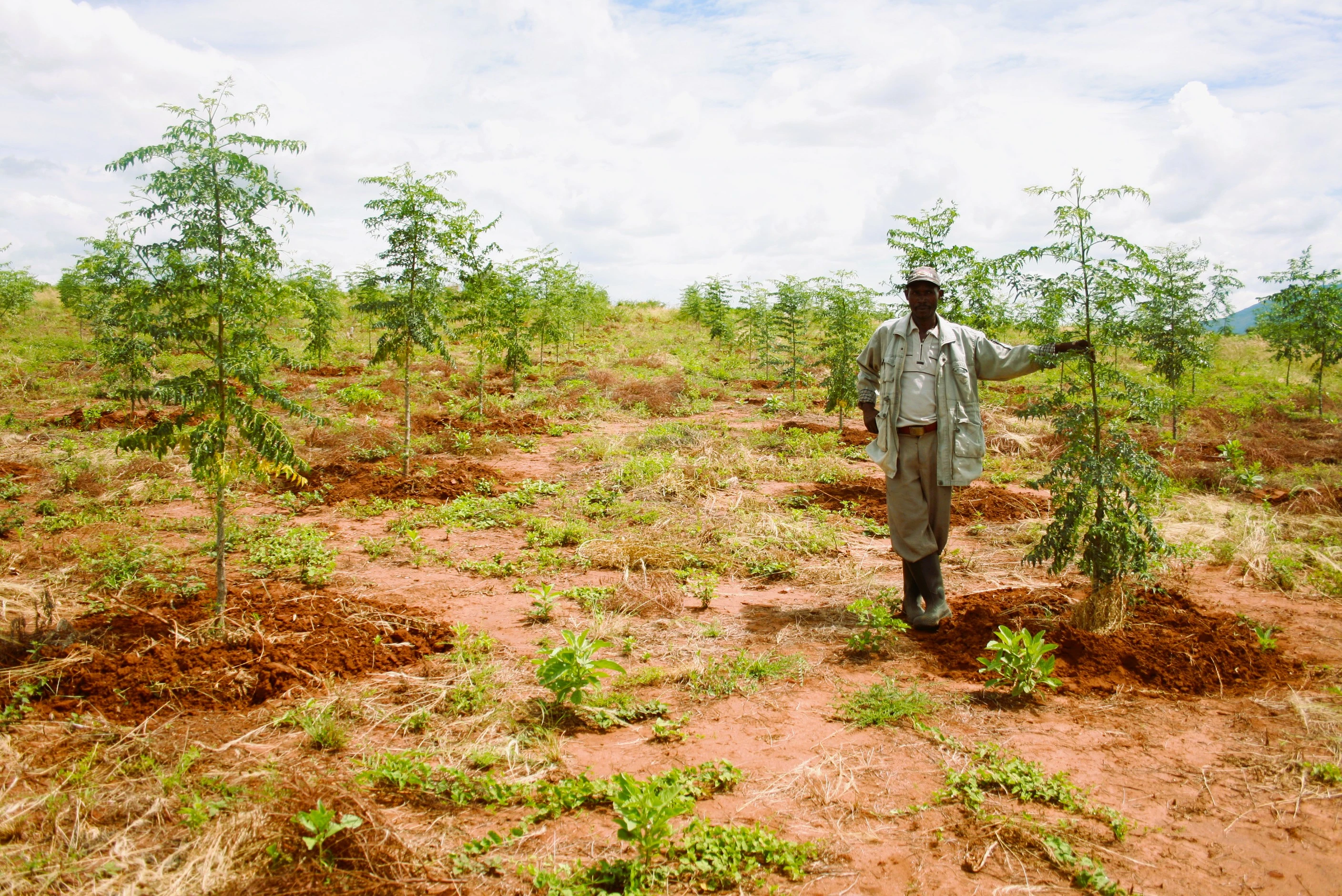
Farmer-based agroforestry initiative integrating trees into farming systems
Overview
The Kiambere Agroforestry Project is a farmer-based initiative in Eastern Kenya that integrates tree planting into smallholder farming systems.
Role of Better Globe Forestry
Better Globe Forestry acts as the implementation platform, coordinating farmer engagement, planting activities, and monitoring systems.
Nyongoro Plantation
Dryland plantation focused on silvicultural quality and long-term management
Overview
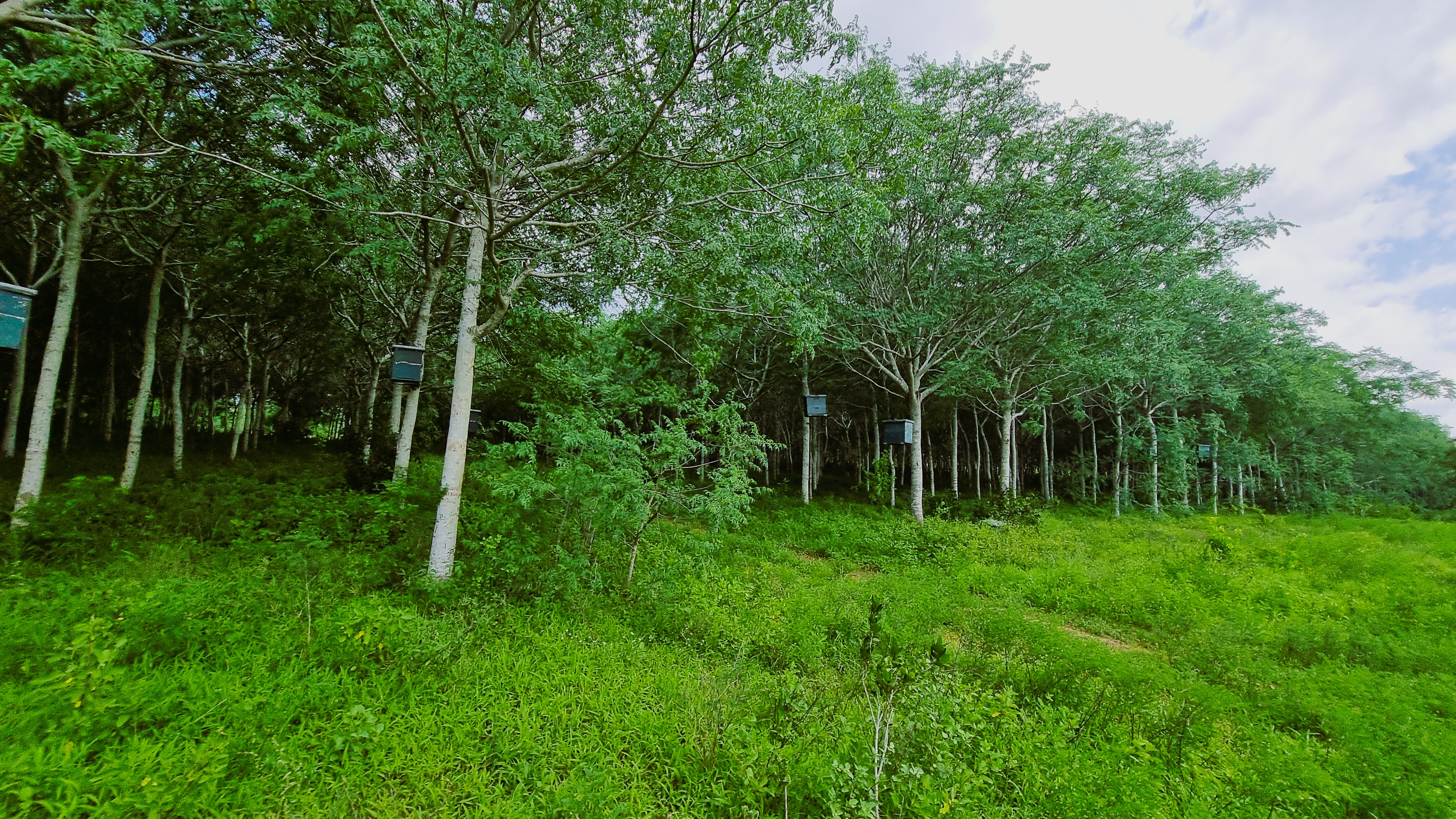
The Nyongoro Plantation is a commercial forestry site located in Eastern Kenya, developed in a dryland environment.The project focuses on high-quality plantation management, with particular attention to species performance, stand development, and long-term resource optimisation.
Role of Better Globe Forestry
Better Globe Forestry is responsible for the full operational implementation, including establishment, maintenance, protection, and technical supervision of the plantation.
Key Characteristics
- Strong focus on silvicultural quality
- Structured plantation management practices
- Dryland-adapted species
- Pruning, spacing, and stand optimisation
- Monitoring and performance tracking
Structure & Partnerships
The plantation operates within a structured framework where ownership and financing are defined separately, while Better Globe Forestry ensures consistent implementation.
Status & Evolution
The project continues to mature, with ongoing improvements in plantation management techniques and long-term development planning.
7 Forks Agroforestry Programme
Large-scale farmer-based agroforestry programme
Overview
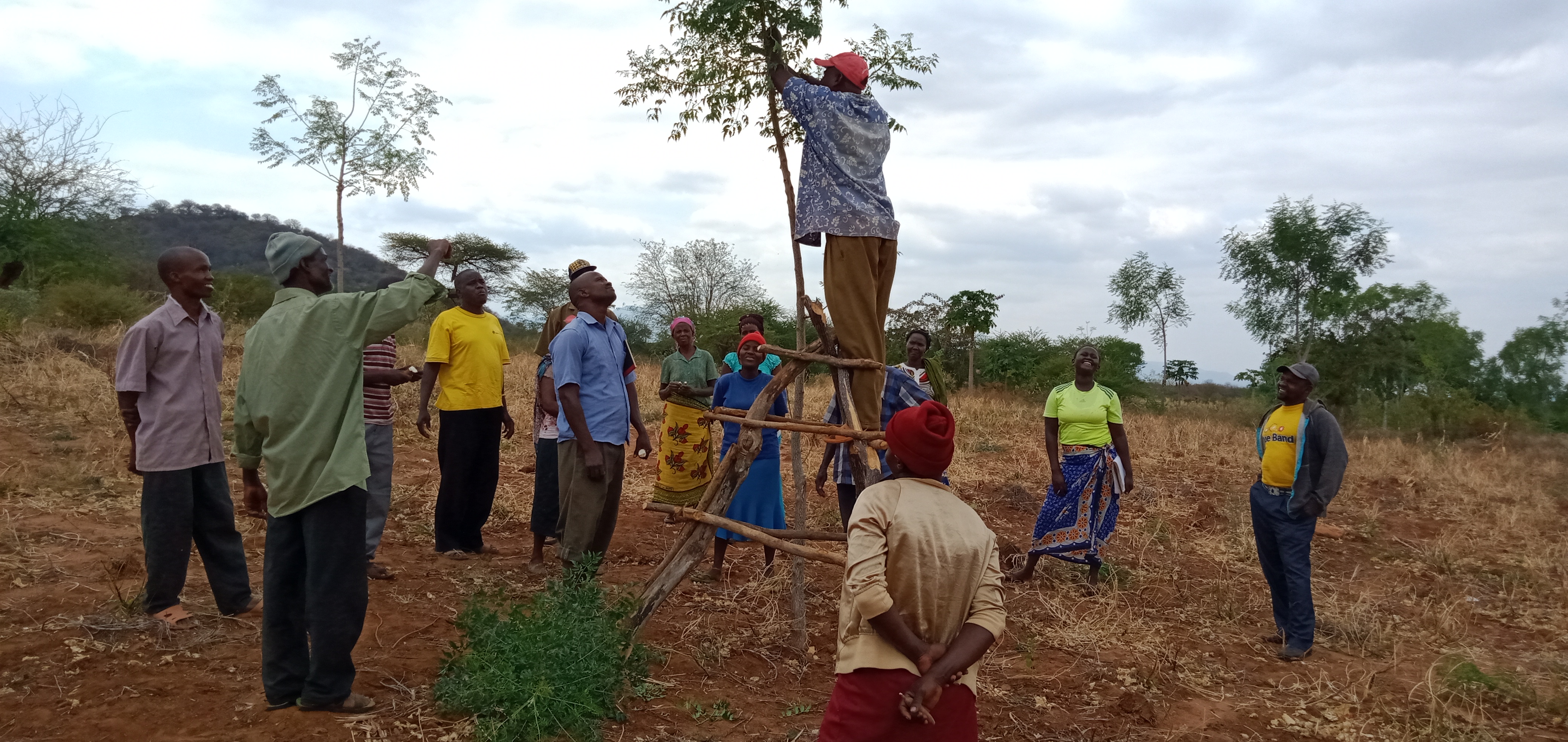
The 7 Forks Agroforestry Programme works with smallholder farmers to integrate trees into agricultural landscapes.The Programme is a large-scale initiative implemented in Eastern Kenya, working with smallholder farmers to integrate trees into agricultural landscapes. The programme combines environmental restoration with socio-economic benefits for participating communities.
Role of BGF
The 7 Forks Agroforestry Programme is a large-scale initiative implemented in Eastern Kenya, working with smallholder farmers to integrate trees into agricultural landscapes. The programme combines environmental restoration with socio-economic benefits for participating communities
Key Characteristics
- Large-scale smallholder farmer network
- Structured planting campaigns
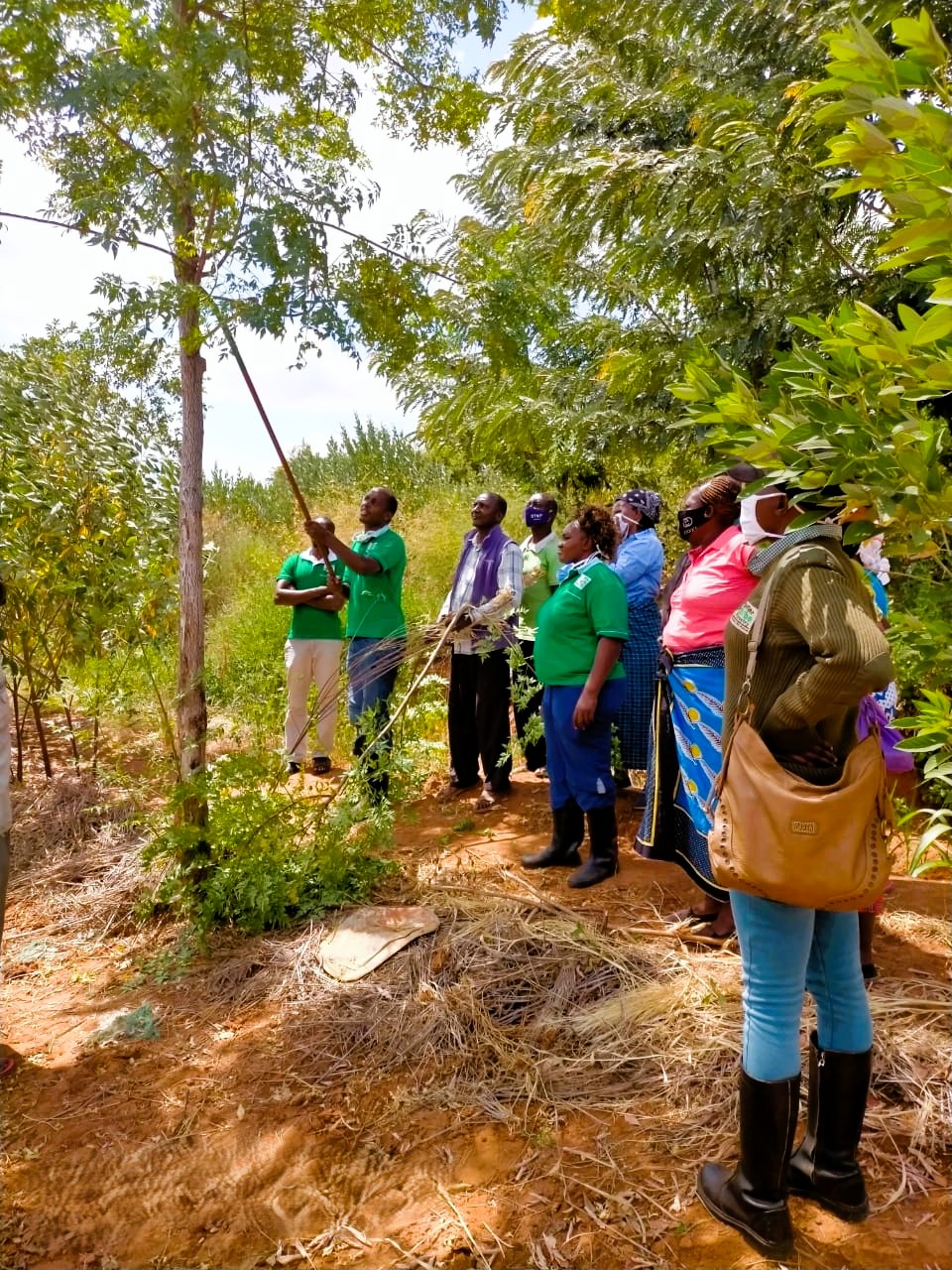
- Extension and training support
- Monitoring and reporting systems
- Landscape-level restoration approach
Structure & Partnership
The programme operates within a broader framework that may involve partners, donors, or project-specific arrangements, with implementation carried out by Better Globe Forestry.
Status & Evolution
The programme continues to scale and stabilise, with ongoing improvements in farmer engagement, operational systems, and monitoring capacity
Dokolo Project (Uganda)
Forestry and agroforestry adaptation in Uganda
Overview
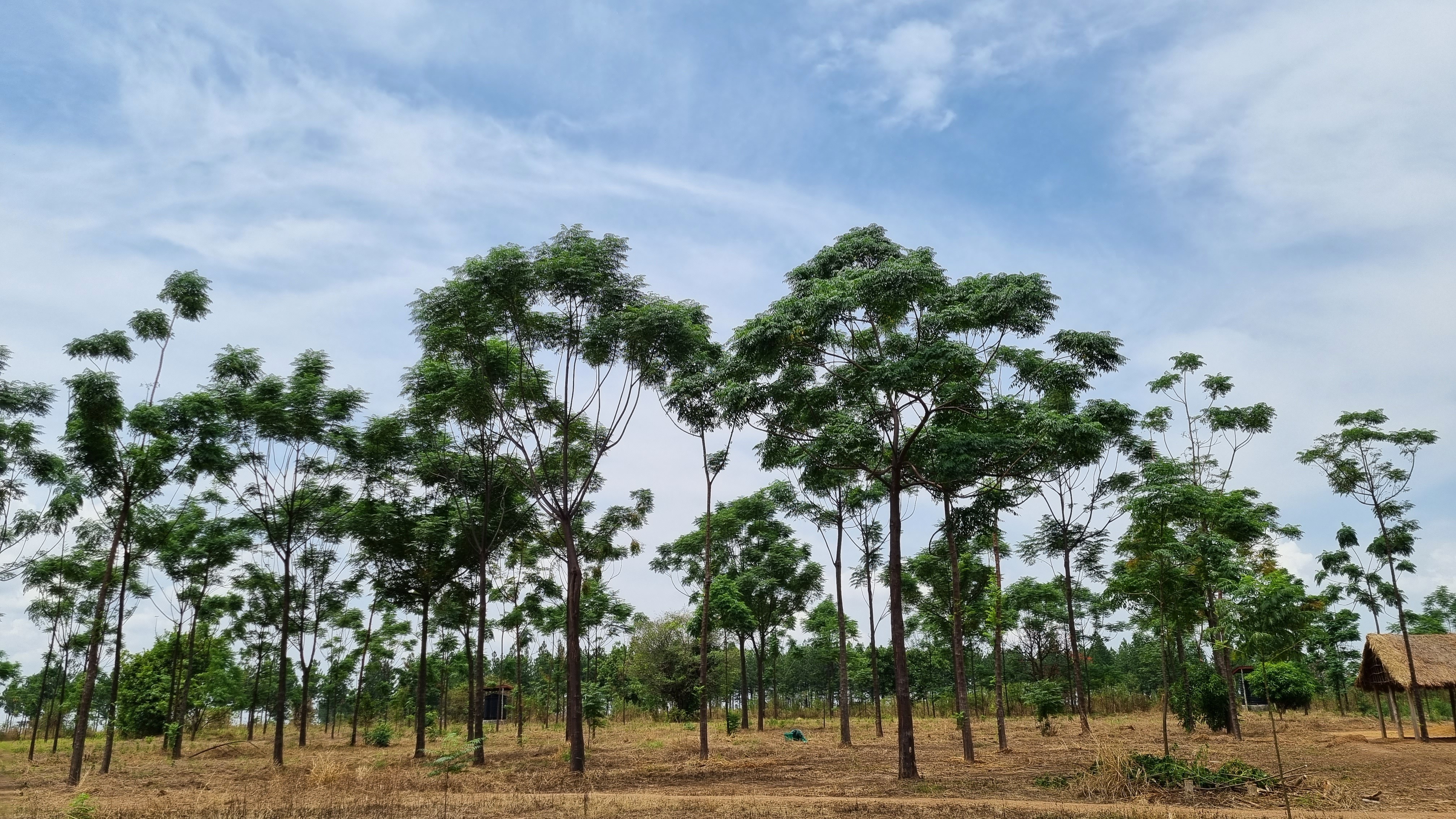
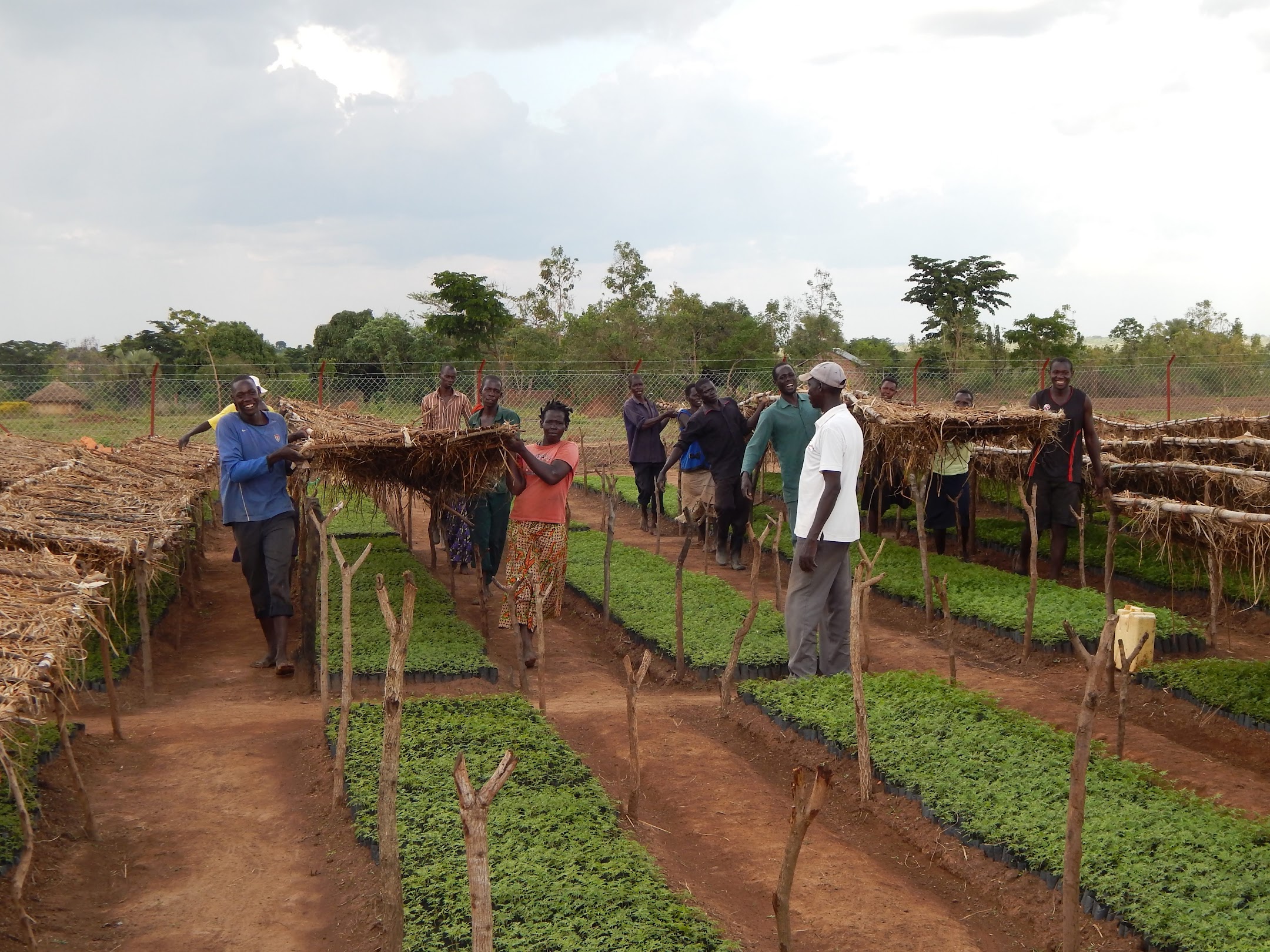
The Dokolo Project represents expansion into Uganda with adapted forestry and agroforestry models. The Project represents Better Globe Forestry’s expansion into Uganda, focusing on the development of forestry and agroforestry systems adapted to local ecological and socio-economic conditions
Role of Better Globe Forestry
Better Globe Forestry acts as the implementation partner, supporting project establishment, farmer engagement, and operational management through its local structure.
Key Characteristics
- Combination of plantations and agro-forestry models
- Adaptation to local conditions
- Community engagement and farmer support
- Structured implementation approach
- Monitoring and follow-up systems
Structure & Partnerships
The project is implemented within a structured framework involving local stakeholders and project-level arrangements, aligned with the broader institutional model
Status & Evolution
The project is in a development and expansion phase, with a focus on building farmer confidence, strengthening operations, and adapting methodologies to the local context
Working with Better Globe Forestry
We support structured forestry and agroforestry implementation across different ecological and socio-economic contexts.
→ Explore Services